Skylights: Everything You Need to Know Before Installing
Skylights have the ability to transform interior spaces by enhancing natural light and improving ventilation. They can be found in numerous styles, each tailored to various architectural demands. Nevertheless, prospective buyers should take into account factors like location, roofing compatibility, and maintenance requirements. Even though the benefits are apparent, challenges may arise after installation. Understanding these aspects is essential for anyone contemplating this addition to their home. What should homeowners know before making this important decision?
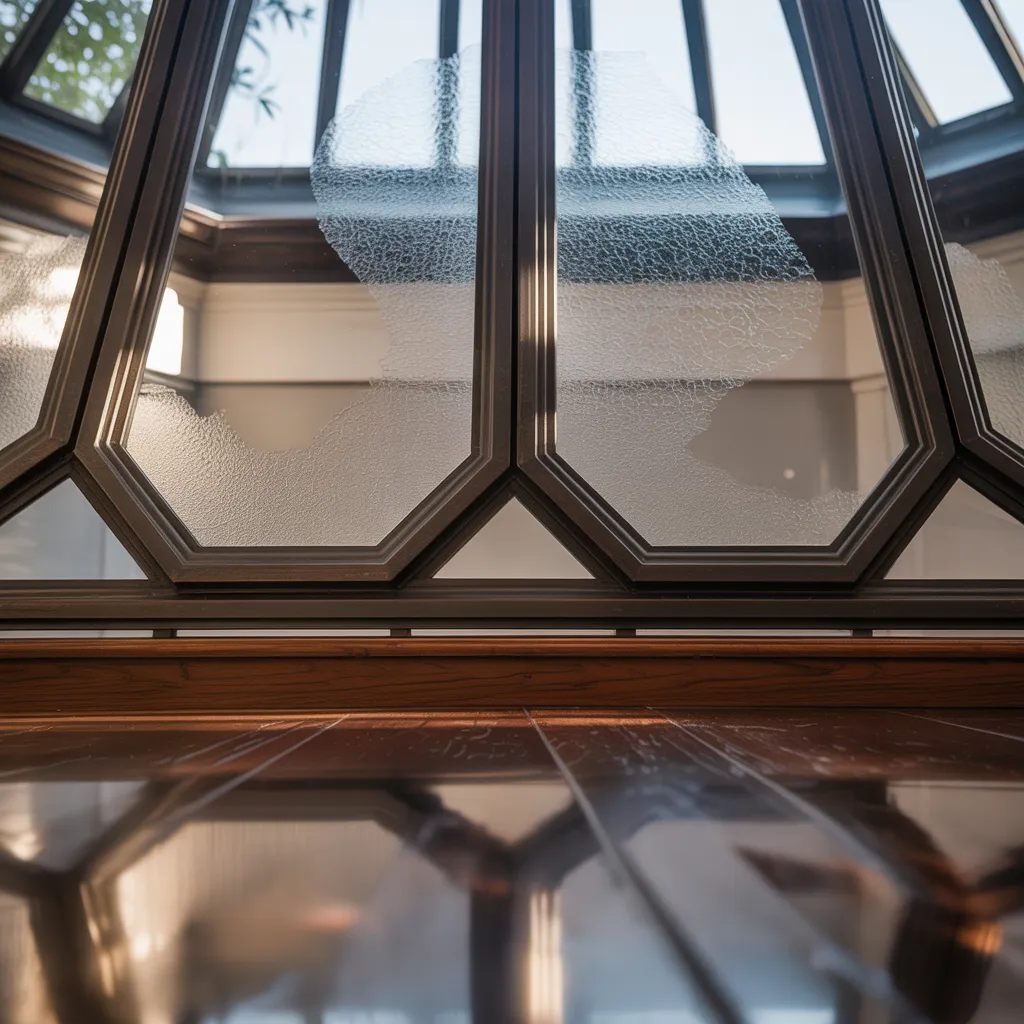
Why Skylights Are a Great Addition to Your Home
Skylights can transform a dark space into a light-filled, appealing environment, elevating both the look and usability of the space. By permitting sunlight to pour into the room, they generate a feeling of spaciousness and expand the visual dimensions of a room. This enhanced natural light not only elevates spirits but may also lessen the need for artificial light sources, resulting in possible reductions in energy costs.
Moreover, skylights can boost ventilation, particularly when operable variants are selected, facilitating air circulation and maintaining a inviting indoor environment. They can also act as a standout architectural addition, adding character and charm to different architectural styles.
In addition to practical advantages, skylights can elevate the overall ambiance, creating a more comfortable living space. Residents often notice that the integration of these fixtures fosters a link with the outdoors, elevating their daily living. All things considered, skylights are a valuable improvement that merges beauty with functionality, making them a worthy consideration for any home improvement project.
Understanding Various Skylight Options
In the domain of skylights, multiple styles provide unique benefits suited to a range of requirements. Fixed skylights present an easy option for boosting natural illumination, while ventilated skylights support proper ventilation and climate management. Tubular skylights, alternatively, are intended for limited spaces, expertly collecting and distributing natural light.
Fixed Skylights Overview
Natural light plays an essential role in improving the atmosphere of any room, and fixed skylights provide an elegant way to introduce natural light inside. These skylights are sealed installations that remain fixed in place, yet they efficiently flood rooms with natural sunlight. Offered in numerous shapes and configurations, fixed skylights can be customized to fit different architectural styles, from contemporary to classic. They are commonly constructed from robust materials like tempered glass or acrylic, guaranteeing long-lasting performance and protection against the elements. Fixed skylights further contribute to energy savings by reducing the demand for artificial lighting in daytime hours. Perfect for hallways, living areas, or kitchens, these skylights generate a luminous, open ambiance while elevating the visual appeal of a home.
Ventilated Skylights Benefits
Although fixed skylights offer plenty of natural light, ventilated skylights present an added bonus by facilitating air circulation and temperature management. These skylights are operable manually or automatically, facilitating fresh air circulation and reducing indoor humidity. This feature can greatly improve home comfort, most notably in the warmer seasons, by encouraging a more comfortable atmosphere. Ventilated skylights additionally contribute to improved energy efficiency, as they can reduce reliance on air conditioning systems. Additionally, they contribute to better indoor air quality by enabling stale air to be released. Homeowners can appreciate the twofold benefits of natural illumination and ventilation, making these skylights an excellent choice for spaces that require both illumination and climate management. Overall, ventilated skylights are a practical addition to any home.
Tubular Skylights Features
Sun tubes, often called sun tubes, are a unique option for residents aiming to enhance sunlight in smaller spaces. These systems are composed of a reflective tube that channels natural light from a rooftop dome into interior spaces, effectively illuminating rooms without significant structural changes. Available in a range of sizes, they can conveniently fit into narrow spaces such as hallways, bathrooms, and closets. Sun tubes also feature energy-efficient designs, frequently including thermal insulation to reduce heat loss. Select models offer variable light diffusion, enabling homeowners to manage light intensity. Moreover, they are often quicker and less costly to install than traditional skylights, making them an attractive option for homeowners seeking to upgrade their home interiors with daylight.
What to Consider Before Installing Skylights
What considerations should homeowners evaluate prior to installing skylights? First, the position and angle of the skylight are critical. South-facing skylights are capable of introducing substantial sunlight, while north-facing options offer softer light. Homeowners need to take into account the roof material and overall structure; not every roof is capable of accommodating skylight installations without alterations.
Moreover, the weather plays an important role. In regions with significant rainfall or snow accumulation, the design integrity and sealing methods are vital to stop water from seeping through. Energy efficiency is another concern, as faulty installation often causes significant heat loss or gain.
Furthermore, reviewing local building codes and regulations is essential to guarantee adherence. Seeking advice from qualified professionals can deliver important insights and assist in avoiding potential challenges during the installation process. Through careful evaluation of these factors, homeowners can arrive at educated decisions concerning their skylight installations.
Examining the Pros and Cons of Skylights
Exploring the benefits and drawbacks of skylights reveals an equilibrium between improved natural lighting and possible concerns. A notable benefit is the abundance of natural light, which can create a more inviting and spacious atmosphere, perhaps minimizing the requirement for artificial light during daylight hours. Skylights are also capable of boosting ventilation, aiding in controlling indoor climate conditions and elevating air quality.
That said, there are disadvantages to keep in mind. Faulty installation may result in leaks, which can trigger moisture damage and mold development. Additionally, skylights can contribute to heat buildup in warm weather periods, resulting in greater energy consumption for cooling. The servicing of skylights, which includes checking seals and cleaning the surface, can also be more challenging than ordinary windows. In summary, recognizing these pros and cons is vital for homeowners thinking about skylight installation, ensuring they make informed decisions that align with their needs and preferences.
Common Skylight Problems and How to Resolve Them
Skylights can enhance natural light in a space, but they also come with a range of challenges. Typical concerns like leaks, moisture buildup, and incorrect installation are widely reported, which can undermine their overall performance. Understanding these problems and their effective repair solutions is critical to keeping a skylight in proper working condition.
Frequent Skylight Problems
Many homeowners encounter typical issues with skylights that can affect both aesthetics and functionality. One frequent issue is leaks, typically resulting from faulty installation or deteriorating seals. This can cause water-related damage and mold formation. Another concern is condensation, which develops when warm and moist air encounters the colder surface of the skylight, causing unpleasant moisture buildup. Furthermore, inadequate insulation may cause energy loss, generating uncomfortable changes in indoor temperatures. Excessive sunlight glare may present difficulties as well, leaving rooms uncomfortably illuminated and accelerating the fading of furniture and decorations. In addition, the accumulation of dirt and debris may impede light flow, diminishing the skylight's effectiveness. Resolving these problems in a timely manner is crucial for preserving the advantages skylights offer.
Professional Repair Solutions
Resolving typical skylight concerns calls for practical repair strategies to reinstate both usability and appearance. Water infiltration, a widespread problem, typically stems from inadequate installation or environmental wear. To correct this, homeowners are advised to check the flashing and seals, swapping out compromised components with superior materials. Additionally, condensation can be mitigated by ensuring proper ventilation in the surrounding area, thereby preventing moisture buildup. Broken or compromised glass could demand full replacement, though minor defects can at times be resolved using sealants formulated for skylights. Regular maintenance, including cleaning and inspection, can further reduce the risk of future problems. By implementing these solutions, homeowners can enhance the longevity and performance of their skylights, ensuring they remain an attractive and functional feature of their homes.
What Will It Cost You to Install Skylights?
How much can one expect to invest in installing skylights? Skylight installation costs can differ significantly depending on a number of elements, including the type, dimensions, and intricacy of the project. Typically, homeowners can expect to pay anywhere from $1,000 to helpful information $3,000 for each skylight. This estimate usually encompasses both materials and labor.
Stationary skylights are generally more affordable than venting models, which enable ventilation. Furthermore, the installation process may involve structural changes, particularly if the roof needs reinforcement or if the skylight is installed in an established structure.
Homeowners ought to also take into account the lasting advantages, such as energy savings from natural light and reduced reliance on artificial lighting. Homeowners are encouraged to collect several estimates from contractors to guarantee a fair price and to confirm their expertise in skylight installations. In the end, being aware of these expenses can assist homeowners in making well-informed choices about improving their homes with skylights.

Frequently Asked Questions
Is It Possible to Install Skylights in Any Room of the House?
Skylights may be added in a variety of rooms, including bathrooms, kitchens, and living areas. That said, factors regarding moisture control, structural integrity, and local building regulations are essential to confirm proper installation and functionality.
How Do Skylights Affect Indoor Temperature?
Skylights can significantly impact indoor temperature by boosting natural light, potentially warming interiors during bright days. However, inadequate installation or insufficient shading can lead to excessive heat buildup, affecting both comfort and energy efficiency in the home.
Are There Energy-Efficient Skylight Options Available?
Indeed, energy-efficient skylights can be found, including those with dual or triple-layer glazing, Low-E coatings, and proper insulation. Such features boost thermal performance, reduce energy costs, and assist in keeping indoor temperatures comfortable all year long.
What Upkeep Do Skylights Need Over Time?
Skylights need periodic cleaning, inspection for leaks, and resealing of edges. Routine maintenance ensures optimal performance and durability, reducing moisture accumulation and damage. Homeowners ought to inspect for debris buildup surrounding the skylight frame.
What Is the Best Way to Choose the Right Size Skylight for My Space?
To determine the ideal dimensions skylight, it is essential to consider the room's dimensions, ceiling height, and natural light needs. A widely accepted guideline recommends choosing a skylight that occupies approximately ten percent of the room's floor area.